
Body Image Dietitian Melbourne
HAES & Body Acceptance Nutrition Support To Heal Body Image | Melbourne & Online
Healing body image doesn't mean forcing yourself to "love it" or achieve a different size, it's about demoralising your body and accept & respect your here-and-now body. A weight-neutral, compassionate support can help you find peace with your body and challenge the beliefs that keep you stuck in self-criticism
If you are here
You might be...
spending significant mental energy thinking about your body - criticising it, comparing it to others, try to change it or feeling anxious about how it looks. You might avoid social situations, photos, clothes shopping or movement because of body distress.
What you need isn't to "fix your body", but to help you challenge the relentless critical voice and build a more peaceful relationship with your body
But First of All...
What is Body Image?
Body Image is how we SEE, THINK, FEEL about our bodies, and how we decide to ACT because of your body, which is largely lie in our STORIES of having a body.
Body Distress or Dissatisfaction
Body image distress occurs when our perception towards our bodies becomes persistently negative and often causing:
Constant preoccupation (having the thoughts of) of your body size/shape and "flaws"
Intense dissatisfaction, shame, or disgust with your body
Constantly checking or avoiding mirrors, body scale, photos, social situations, or activities because of body concerns (e.g. beach, swimming)
Comparing your body to others and feeling distressed by the comparison
Highly sensitive to comment or topic around body and can easily bring guilt and shame
Everyone experience occasional body dissatisfaction, even someone has a healthy relationship with their body. The difference is associating your body and appearance to your worth - which will significantly impact your mental health, limits your life and drives disordered eating or exercising.
Body Dismorphic Disorder (BDD)
BDD is a clinical disorder where someone is obsessive and compulsive over perceived flaws. It's estimated it's affecting up to 3% of the total population.
The diagnostic criteria for BDD include:
Body preoccupation with a perceived body defects or flaw that is not observable or appear slight to others.
Current/history of repetitive behaviours (e.g. mirror checking, gromming, skin picking, asking for reassurance) or mental acts (body comparison)
It causes significant distress and impairment in social, occupational or other areas of functioning
The preoccupation isn't explained by an eating disorder
There are a few common types of Body Dismorphia
Focusing on skin, hair, nose, eyes, body shape and size or general attractiveness
Muscle dismorphia: believe one's body is too small or insufficiently muscular (primarily affects males)
Signs, Symptoms & Implications
Physical
• Fatigue from mental preoccupation and may affects sleep
• Increased risk of developing or worsening eating disorder (e.g. restrictive, bingeing, purging)
• May experience weight cycling because of repeated dieting attempts
Psychological
• Persistent negative thoughts about your body, weight, and body parts
• Preoccupation of body shape, size & weight
• Often body comparisons
• Low self-esteem heavily tied to how you look
• Anxiety, depression, or shame related to your body
• Development or worsening of anxiety disorder, depression and OCD
• Increased risk of self-harm and suicidal thoughts
• Emotional dysregulation: difficult to manage feelings without focusing on body
Behavioural
• Repetitive body checking and comparisons
• Body avoidance
• Appearance fixing behaviours: excessive grooming, changing clothes multiple times, seeking constant reassurance
• Excessive or compulsive exercise to change body
• Exercise avoidance to avoid moving in front of others and body comparisons
• Constant seeking cosmetic procedures or quick fixes
Social
• Social avoidance: decline invitation, avoid situations where your body might be visible
• Photo avoidance: refuse to be in photo or only agreeing to heavily edited images
• Strained relationships, mood swings, or loss of emotional connection
• Struggling with intimacy, feelign self-conscious during sex
Body Image Nutrition Counselling
It's not about loving your body overnight - it's about making peace with your here-and-now body so you

Explore your
body stories
We uncover where your body beliefs came from, e.g. family messages, diet culture, past experiences, trauma, to understand why you relate to your body the way you do.
Make peace with
your body
We work towards body acceptance and respect with active intervention, recognising your body donesn't need to change for you to deserve care, nourihment and a full life

navigate triggers & comparison
Develop skills and practice mental reframe and engage in helpful action to manage triggers, like social media, body comments, shopping, comparing yourself to others
reconnect nourishment & movement
Rebuild relationship with eating and movement, and make it about showing your body you deserve care and joy, not as punishment, control or attempt to earn worthiness
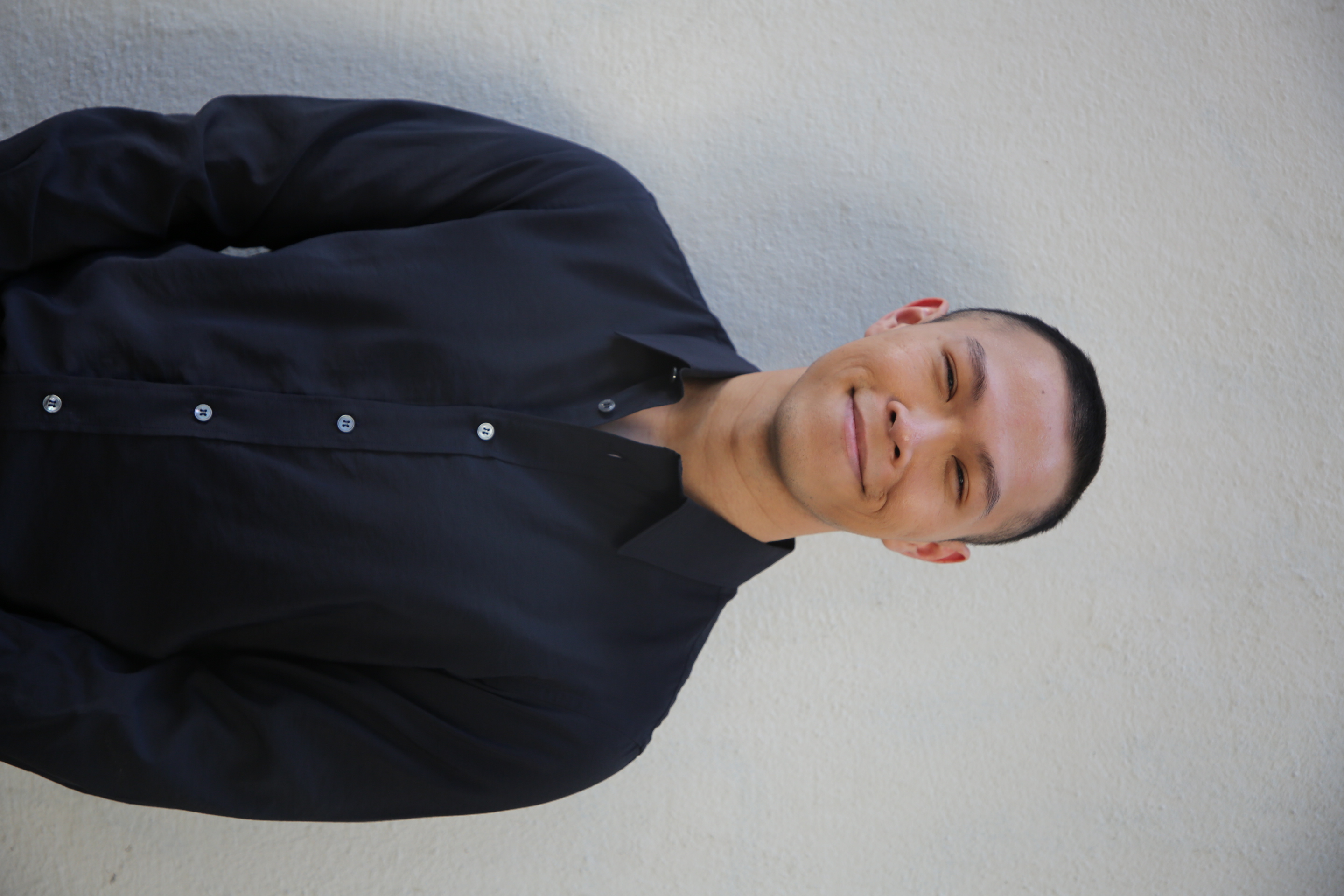
Hey, I'm Malcolm!
I know how it's like to be stuck in a cycle of food thoughts and body criticism - checked out around food - food guilt & self-blame and constant body comparison, because I too lived with it for more than 18 years.
I tried everything - diet, meal plan, shakes, bars, eating healthy. But not until my training did I realise: it's not just what and how to eat - solely focusing on that often leads down the diet path, which is the exact thing keeping you stuck in both food rules and body shame.
It's our relationship with food and our bodies - how food & body makes us feel, think, act and evaluate ourselves.
I thought knowing that was the way out. The truth? It was just the beginning. Even as a dietitian, I took 5 years to learn the way out. But it was all worth it - it's more expensive to watch years slip by - energy drained, relationship strained, dreams delayed because food and body took up too much mental space.
Now as a specialist binge eating dietitian, intuitive eating counsellor and body image coach, who has helped 100+ people, I want to help you break free from the food and body thoughts that are stealing your life, so you don't lose another year on this. You get your life back whilst healing - not after.

Kind Words From Clients
Ready to break free?
3 Steps To End Overeating
The step-by-step roadmap to stop binge & emotional eating for good without more willpower
Why work with a body image dietitian?
Improving body image isn't about being confident through weight loss - it requires challenging deeply ingrained diet beliefs and healing your relationship with your body
"Just love yourself" or "focus on health, not appearance" sounds sensible but it often not lead to improvement when the desire to change our bodies deeply rooted in diet culture, social conditioning and often entangled with disordered eating pattern.
Understand the Diet Culture and Help You Debunk Myths
As a dietitian specialise in debunking diet culture, I help you recognise how it has shaped your beliefs about bodies, food, and worth. We will debunk the pervasive myth like "certain body = healthy", or "certain foods are good/bad." It helps you break down the social construct, how it profits from your distress.
Help You Heal the Physical Domain of Body Image
Body image isn't just thoughts and feelings - it also include your physical experience. And the most basic form of showing your body they deserve care is to provide adequate nourishment to care for your body and activities.
Practical Strategies for the Urge to "fix your body"
You'll learn tangible skills for hte moment when the urge to diet, restrict, "fix" your body and compare with others. We challenge the compulsion to "fix", challenging the thoughts that drive them, be more critical to media and messages, and engage in value-guided actions instead of body change.
Body-Affirming Approach
Body positivity approach that teach out "you will be confident after you achieve a certain shape" often strengthen the tie between your body and self-worth and often lead to more body distress. A body affirming approach means we respect your body as it is and how it naturally shifts, whether thinner or fatter. We focus on what actually supports your wellbeing and heal your relationship with body.
Collaboration with Your Existing Support System
If you are working with a psycholgist or therapist, with your permission, we can form a strong care team to ensure coordinated care. Body image work often beneit from both psycho-social support (processing trauma, challenge deeper beliefs) and physical support (challenge diet culture, and nourish your body).
Dive Deeper Into Binge Eating & BED
What is binge eating & binge eating disorder (BED)? Causes, symptoms & diagnosis
Binge eating (disorder) treatment, and finding a provider
food freedom & binge eating resources & support
Ready to Heal?
Nutrition Counselling
1:1 sessions, tailored to where you are. Nutrition counselling support that address body, weight, metabolism, food, emotion, movement & health concerns
Common Questions & Concerns I Hear
What's the goal of treatment?
Relationship with body exists in a spectrum:
Body distress | Body respect | Body appreciation | Body acceptance | Body peace | Body confidence | Body love
The goal isn't to achieve body love (though some people get there, and that's wonderful), nor it's the only goal.
No matter it's body respect or body confidence can be a meaningful goal - being able to treat your body with care regardless of how you feel about its appearance.
This means: not letting body dissatisfaction control your life, having tools to manage difficult moments, making nourishment and movement choices from self-care rather than punishment, and reconnecting with the parts of yourself that aren't about how you look.
We'll collaborate to define what "healed body image" means for you—because your recovery goals should reflect your values, not some prescribed outcome.
Do I need to have an ED to work with a body image dietitian?
Not at all. While I specialise in eating disorder and disordered eating, body image struggles affect people across the spectrum—whether you're dealing with chronic dieting, post-pregnancy body changes, life transitions, trauma, or simply years of absorbing damaging cultural messages.
If body dissatisfaction is affecting your mental health, relationships, or quality of life, that's enough reason to seek support. You don't need to meet any diagnostic criteria to deserve compassionate, skilled body image counselling.
How long does treatment takes?
It varies—and that's not a cop-out answer. Some people notice shifts in how they relate to their body within a few months, while deeper healing typically unfolds over 6-12 months or longer, depending on how entrenched the struggles are and what else is happening in your life.
The goal isn't to rush through it, but to build sustainable tools and self-awareness that last beyond our sessions. I'm here to support you at whatever pace feels right, whether that's weekly sessions initially or ongoing check-ins as you maintain progress.
What if I'm "overweight" or "obese"? Shouldn't I lose weight?
Your body doesn't need to meet arbitrary standards for you to deserve peace and respect. The standard of "overweight" and "obesity" is a perfect example of how wide and deep diet culture has infiltrated in our society and care system.
Diet culture and weight stigma teach us that certain bodies are "wrong" and deserve criticism—but that's a social construct, not truth. Bodies are naturally diverse - if some people are naturally thin no matter how they eat, it only make sense there are people naturally larger no matter how little they eat. Your body isn't the problem; the systems that shame bodies like yours are. We'll work on internalising that, even though it's hard in a fatphobic, ableist culture.
Will you help me lose weight to improve my body image?
Pursuing weight loss while have body distress can often intensify the belief that your body need to be changed to be accepted. Many people find that lose weight often lead to more fear of gaining weight and more drive to lose more (and it makes total sense you want to do so - because the society IS highly favour to a smaller size person). My top priority is to help you heal your relationship with body - which means stop weight cycling, reduce disordered eating patterns, reduce cravings and out of control eating, and allow your body shift back to its metabolically most comfortable state. Research shows that body accpetance improve wellbeing and health regardless of weight change. Put it simply, we focus on challenging the belief that your body is wrong, not trying to change it to prove the point.
What if my body distress is connected to trauma or past experiences?
It is really common and it makes a lot of sense to develop body dissatisfaction or the desire to change your body to cope with discomfort. It's common that people who experience body distress may experience traumatic situations, like bullying, sexual assult, medical experience, body shaming from family, being treated differently because of your body.
While I'm trauma-informed and we can explore these connections, deep trauma processing may be best done with a psychologist or therapist specialising in trauma. I can support you in understanding how past experiences shaped your body image and work on the practical body acceptance piece, and collaborate with a therapist if you're seeing one.
Do I need to delete social media or stop comparing myself to others?
Not neccessarily. Social media can be triggering as we are constantly being bombarded by those messages. But it's unrealistic to completely avoid all sources of message that is triggering to your body image. Instead, we focus on increasing our critical toolbox towards media messages, curate a more body affirming feeds, noticing comparison happens and challenge those beliefs. Overtime, comparison often loses its power when you\re not trying to suppress it but actively work through it.
Can you work with me if I have a Eating Disorder too?
Yes, body distress is an essential part of an eating disorder. And as an eating disorder dietitian, I help my clients work on both body image distress and eating concerns simultaneously. If you are also seeing a therapist or psychiatrist for the eating disorder, we will be closely collaborating to provide the best care for you together.
But I'm just "vein" and "shallow" - I care a lot about my appearance.
You are not vein and shallow! It is so normal to care about our appearance - we learned it from our culture that places enourmous value on appearance. You might have mistreated because of your appearance or you've seen others being mistreated - all of these creates a core belief that your appearance = your worth. We will work on these beliefs and entangle them. And there are many different way to care for your body and express your body in an aesthetic way - and I can support you work through them too.
How do I know if my body image concerns are 'serious enough' for help?
If body image is taking up mental space, causing you distress, or limiting your life choices - it's worth seeking help or talking to a trained professional. There isn't a "threshold" for body image distress. If you are considering support or want to talk to someone about it - that's a strong enough reason. You deserve to a life with fuller experience without body distress hindering your potential
I have another question...
Drop us a message and
we will et back to you asap!




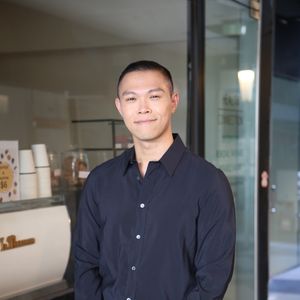
Malcolm Yu Lung Tang
B.Ex.&Nutr.Sci., MNutr.&Diet., APD, CEDC-D, CIEC
Accredited Practising Dietitian
Credentialed Eating Disorder Clinician
Certified Intuitive Eating Counsellor
Online Eating Disorder Nutrition Counselling
BED, Bulimia, Anorexia, Emotional Eating, Intuitive Eating
Cholesterol, Diabetes, PMOS(PCOS), Gut issues, Body Image
Available Online - Australia & International wide
Location: 9 Carlton Street, Prahran, 3181 - WellSpace Psychology
BINGE RECOVERY HUB




I acknowledge the Wurundjeri Woi Wurrung people of the Kulin Nation as the Traditional Custodians of the land on which I live and work. I pay my deep respects to Elders past and present, and extend that respect to all Aboriginal and Torres Strait Islander peoples. I’m committed to providing inclusive, respectful care for all bodies, identities, and backgrounds.
© 2026 Binge Free Dietitian. All Rights Reserved.