
Binge Eating Dietitian Melbourne
HAES & Intuitive Eating Support for Binge Eating & Binge Eating Disorder | Melbourne & Online
Finding peace with food after binge eating disorder doesn't mean another diet plan or strict food rules. I offer weight-neutral, compassionate support to help you rebuild trust with your body and find food freedom.
If you are here
The chances are...
You might be exhausted from the cycle of restriction and bingeing, tired of the shame that follows eating, and frustrated that traditional diet & wellness advice hasn't helped - or has made things worse. You deserve support that doesn't centre weight loss or more food rules.
You deserve to eat without fear, guilt or losing control
What are Binge Eating & Binge Eating Disorder (BED)
Binge Eating
Binge eating is disordered eating marked by feeling out of control around food (can't stop eating during the setting) and significant distress afterward.
There are 2 typs of binge eating:
Subjective: Loss of control around food
Objective: Loss of control around food + notably large amonts in a short time
Research shows that both types cause similar physical and emotional harm. Binge eating experiences directly increase the risk to develop a clinical Binge Eating Disorder.
Binge Eating Disorder (BED)
Binge Eating Disorder (BED) is a diagnosed mental health condition and the most common eating disorder (47%), affecting 2-3% of adults.
Key features & experiences:
Recurrent binge episode (weekly for >3 months)
No regular compensatory behaviours (e.g. self-induced vomitting, fasting, excessive exercising)
Eating rapidly or until uncomfortably full
Eating when not hungry or alone due to embarrassment
Feeling disgusted, depressed or guilty afterward
Recovery is possible with the right support from trained specialists
Binge Eating affects people of ALL body sizes, and it's NOT about "lacking willpower" or being "lazy". It's a complex condition influenced by biological, psychological and social factors - and amongst most the strongest predictor is dieting and food restriction.
It's also different from occasional overeating. It's normal and healthy to eat past fullness at celebrations or when food tastes particularly good. BED involves distressing patterns taht interfere with your wellbeing and relationship with food, including immense guilt after overeating.
Signs, Symptoms & Implications
Physical
• Change in weight
• Fatigue and low energy
• Feeling bloated or constipated
• Metabolic stress from the weight fluctuation due to repeated binge-restrict cycles
• Hormonal disruptions – irregular or missed periods, PMS, PCOS, and fertility issues
• Sleep disturbances
Psychological
• Guilt, shame, and self-criticism
• Low self-esteem and body image distress, often driven by internalised diet culture
• Heightened sensitivity to comment about body, food and exercise
• Anxiety, depression, and emotional numbness
• Always think about food, diet, weight loss and meal plans
• Perfectionism and pressure to be "in control"
Behavioural
• Compulsive or emotional and over-eating patterns
• Dieting behaviours e.g. counting calories, skipping meals, fasting or food avoidance
• Rigid food rules or rituals, needing to eat in a certain way to feel safe or “in control”
• Obsessive thoughts about food, weight, and body
• Frequent body checking, mirror-checking, weighing, or comparing to others
• Or body avoidance - wear baggy clothes, avoid mirror, camera or weighing self
Social
• Eating in secret due to shame or fear of judgment
• Withdrawing socially or avoiding events that involve food or body exposure
• Strained relationships, from secrecy, mood swings, or loss of emotional connection
• Reduced intimacy and connection from food pre-occupation or body image distress
Nutrition Therapy For Binge Eating & BED
Forget the food rules and rebuild safety, trust and confidence with an inclusive, non-diet, trauma-informed & food freedom approach

nutrition rehabilitation
Build safety with food & reset your body's response and stabilise your meals, create predictable nourishment, and calming the chaos that fuels binge urges

Understand the "why's"
Unpack the root, emotional triggers, unmet needs and the function of bingeing. So we can break the chain reaction, so cravings lose their power

restore body trust
& peace
Reconnect with hunger & fullness cues, normalise "trigger" foods, rewire food thoughts & behaviours with CBT, ACT strategies and rebuild respect for your body

break free
for good
No more short-term fixes. You'll walk away with tools to break the binge cycle for good - not relying on willpower or white-knuckling through cravings
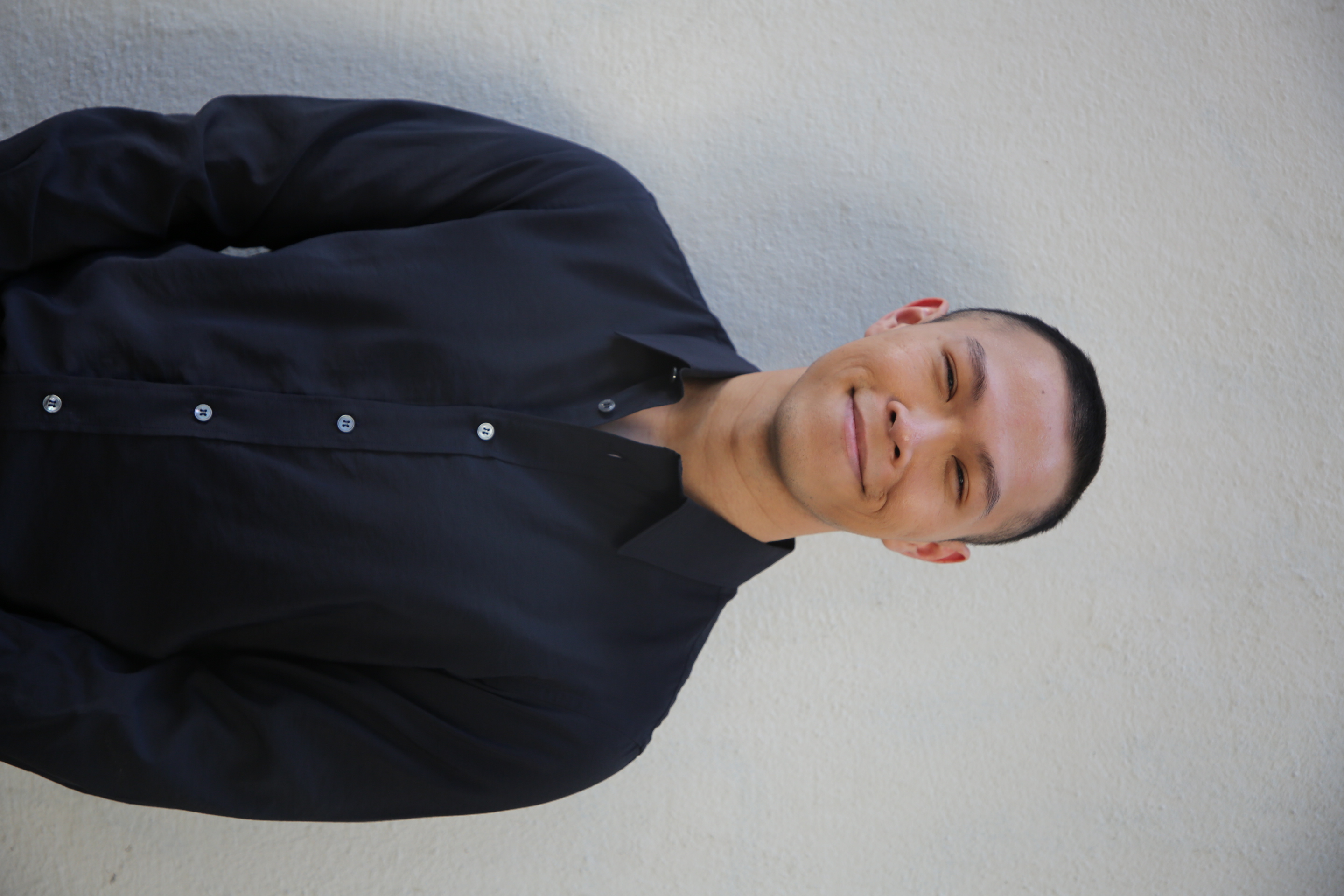
Hey, I'm Malcolm!
I know how it's like to be stuck in a cycle of food thoughts - checked out around food - food guilt & self-blame, because I too lived with it for more than 18 years.
I tried everything - diet, meal plan, shakes, bars, eating healthy. But not until my training did I realise: it's not just what and how to eat - solely focusing on that often leads down the det path, which is the exact thing keeping you stuck.
It's our relationship with food - how food makes us feel, think, act and evaluate ourselves.
I thought knowing that was the way out. The truth? It was just the beginning. Even as a dietitian, I took 5 years to learn the way out. But it was all worth it - it's more expensive to watch years slip by - energy drained, relationship strained, dreams delayed because food and body took up too much mental space.
Now as a specialist binge eating dietitian, intuitive eating counsellor and body image coach, who has helped 100+ people, I now help you regain your confidence around food and body, so you don't lose another year on this. You get your life back whilst healing - not after.

Kind Words From Clients
Ready to break free?
3 Steps To End Overeating
The step-by-step roadmap to stop binge & emotional eating for good without more willpower
Check out
Ways We Can Help You
Start Free

We have a library of freebies to help you get started. It's the perfect place if you are new to the food freedom world or binge eating journey
Self-Help Hub

We all know how confusing self-recovery is, and we are here to help - discover the options we help you target specific struggles on recovery journey
Work With Me

If you are tired of struggling, trial-and-error, it's time to get personalised help! There are multiple ways we can work together - get started now!
What makes working with a specialist different?
Not all nutrition supports is created equal - especially when it comes to complex condition like binge eating
General nutrition advices often focus on "what to eat" "how to eat" - which focusing solely on food can worsen binge eating by reinforcing food fixation and food rule. Working with a dietitian who specialises in binge eating means you get:
Who Understand the Binge-Restrict Cycle
Trained specialist understands that bingeing is often a response to restriction (physical, psychological or emotional), not a failure of willpower. Recovery means addressing the restrictions first, not adding more food rules.
Specialise in Healing Relationship With Food & Recovery Nutrition
Trained specialist understands that bingeing is often a response to restriction (physical, psychological or emotional), not a failure of willpower. Recovery means addressing the restrictions first, not adding more food rules.
Practical Strategies for Urges, Food Situations and Mindset
You'll get real-world tools for navigating binge urges when they arise, challenging the thoughs that keep you stuck, and handling tricky food situations (social evens, keeping food at home, eating alone).
Body-Affirming Approach with Trauma-informed, shame-free zone
My work is grounded in Health At Every Size principles. We don't focus on weight loss or changing your body, which often fuel more out of control eating. Binge eating carries a lot of stigma, shame, and for many, there's trauma underneath. We are here to hear you, not to judge you.
Collaboration with Your Existing Support System
If you're currently working with a therapist, GP or other practitioners, we will work closely together (with your permission) to tailor a plan for your specific needs. If you're not connected to support and would like to, I can help you find resources and supports too.
Dive Deeper Into Binge Eating & BED
What is binge eating & binge eating disorder (BED)? Causes, symptoms & diagnosis
Binge eating (disorder) treatment, and finding a provider
food freedom & binge eating resources & support
Common Questions & Concerns I Hear
Will you put me on a meal plan?
Most likely not. meal plan has its place, however, it's usually used for short term.
Meal plan may recreate the rigidity and external control that often fuel binge eating.
We will mostly focus on internal guidance - helping you recognise and respond to your body's hunger, fullness and preferences.
If you're currently very disconnected from these signals, we will use strategies, which may include structured meal time, to recover your internal cues.
Do I have to weigh myself?
Absolutely not. Many of my clients choose not to weigh themselves at all, and I fully support that. If weight is monitored for medical reasons, we can discuss strategies to handle it such as blind-weighing. Your worth isn't determined by a number, and recovery doesn't require tracking it.
Will you tell me what I can & can't eat?
No. All foods fit. Seriously. Part of recovery is learning that no food is off-limits, because restriction (even mental restriction—just thinking you "shouldn't" eat something) often triggers bingeing. We'll work on legalising all foods, which paradoxically reduces their power over you.
Waht if I'm not ready to stop bingeing yet?
That's completely valid, and we can still work together. Ambivalence is normal. We can explore what bingeing is doing for you (it's often serving a purpose, like coping with stress or numbing emotions), and work on building other skills while you're figuring things out. You don't have to have it all sorted to start.
Do you work with people at higher weight?
Yes. I work with people of all body sizes, and my HAES-aligned approach means I don't pathologise or focus on changing your body size. BED affects people across the weight spectrum, and everyone deserves compassionate, weight-neutral care.
How long does recovery take?
Honestly? It varies. Some people see significant improvement in a few months; for others, it takes a year or more. Recovery isn't just about stopping binge episodes—it's about fundamentally shifting your relationship with food, which takes time. I'd rather be realistic with you than overpromise. What I can say is that most people notice meaningful changes within the first few months, even if full recovery takes longer.
What if I've tried therapy and it didn't help?
Therapy is invaluable, but sometimes the practical, food-specific piece is missing—that's where dietetic support comes in. Or perhaps the therapy wasn't ED-specialised or took a weight-focused approach, which doesn't work for BED. It's also possible you weren't ready at that time, and that's okay. Where you are now might be different.
Will I gain weight if I stop restricting
This fear is so understandable, especially given diet culture messaging are everywhere around us.
Here's what I know: restriction and the binge-restrict cycle often lead to weight cycling and preoccupation with food. When you stop restricting and start eating regularly and adequately, your body often stabilises. But I won't lie and promise a specific outcome—bodies are diverse, and weight isn't within our direct control. What is within our control is building a peaceful relationship with food, and that's worth pursuing regardless of what your body does.
I have another question...
Drop us a message and
we will et back to you asap!





Binge Free Dietitian
Malcolm Yu Lung Tang
B.Ex&NutrSci., MNutr&Diet., APD, CEDC-D, CIEC
Accredited Practising Dietitian
Credentialed Eating Disorder Clinician
Certified Intuitive Eating Counsellor
Online Eating Disorder Nutrition Counselling
BED, Bulimia, Anorexia, Emotional Eating, Intuitive Eating
Cholesterol, Diabetes, PCOS, Gut issues, Body Image
Available Online - Australia & International wide
Location: 9 Carlton Street, Prahran, 3181 - WellSpace Psychology




I acknowledge the Wurundjeri Woi Wurrung people of the Kulin Nation as the Traditional Custodians of the land on which I live and work. I pay my deep respects to Elders past and present, and extend that respect to all Aboriginal and Torres Strait Islander peoples. I’m committed to providing inclusive, respectful care for all bodies, identities, and backgrounds.
© 2026 Binge Free Dietitian. All Rights Reserved.